

Elk season is in full swing right now, and before you ever step foot in the woods, you need to know exactly what you’re hunting. Not every elk is built the same, and knowing the difference has saved me from misjudging more than one bull over the years.
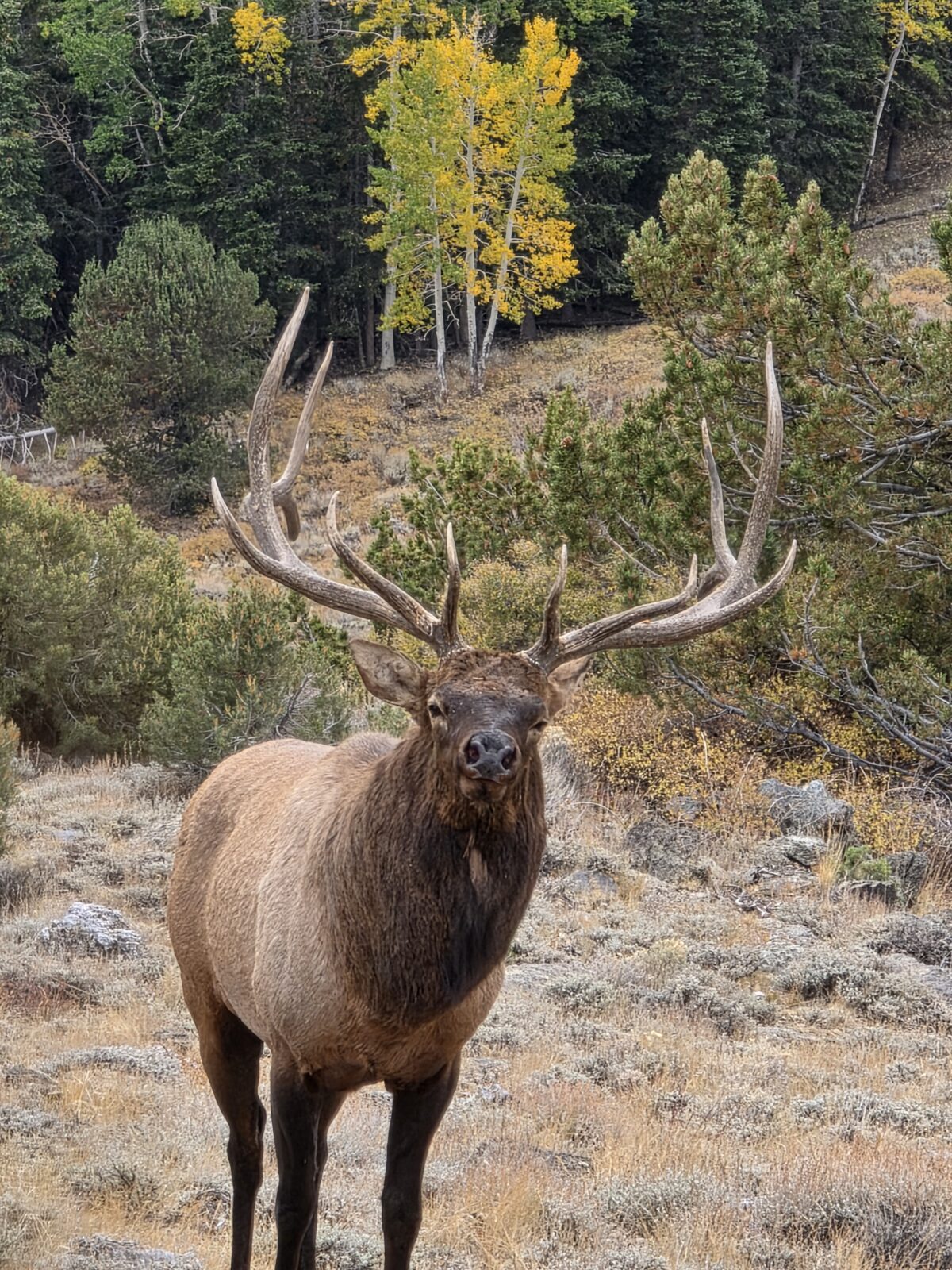
Out across the West — Arizona, Colorado, Wyoming, Nevada — we’re hunting Rocky Mountain elk. A mature bull is a genuine giant, running anywhere from 700 to over 1,000 pounds, with cows coming in around 500 to 600 pounds.
Head up into the coastal rainforests of Washington and Oregon, and you’re in Roosevelt elk country. These are massive-bodied animals — heavy bulls can push 700 to over 1,100 pounds, with cows around 575 to 650. Their antlers tend to run shorter in the main beam with a distinctive crown cluster at the tips, different from the sweeping racks you see on Rocky Mountain bulls, but don’t let that fool you — the body mass on these animals is something else entirely.
Down in California, you’re dealing with Tule elk — a smaller subspecies built for arid brush and oak country. Bulls run 450 to 700 pounds, cows around 375 to 425.
One field tip I use every season: when you’re glassing a herd, look at the hide color. Bulls typically show a lighter, creamy tan body compared to the darker brown on cows — a quick way to sort out what you’re actually looking at from a distance.
Whatever subspecies you’re chasing, these animals have sharp ears, and you need a call that can match the exact sounds they expect to hear in their home country. That’s exactly what I built the Dominator Call® to do.